Making the Right Choice: Wills vs. Trusts for a Secure Estate Plan
Understanding the Differences Between Wills and Trusts: A Comprehensive Guide for Estate Planning
When it comes to estate planning, choosing between a will and a trust is a significant decision. Both tools ensure your assets are distributed according to your wishes, yet each serves a unique purpose and offers distinct benefits. This article will guide you through understanding the essential differences, benefits, and considerations involved with wills and trusts.
Defining a Will and a Trust
- Will: A legal document specifying how you want your assets distributed after death. Wills enable you to name an executor, designate guardians for minor children, and make posthumous instructions.
- Trust: A legal arrangement where assets are transferred to a trustee to manage on behalf of beneficiaries. Trusts can take effect immediately and can be either revocable or irrevocable, allowing for various levels of flexibility and asset protection.
Why It’s Important to Have a Will, Trust, or Both
Without an estate plan, your assets are distributed according to state intestacy laws, which may not align with your wishes. Having a will or a trust offers control, helps avoid family disputes, and minimizes probate expenses. Many individuals opt for a combination of both—a trust to handle primary assets and a pour-over will as a safety net for any unfunded assets.
Key Differences Between Wills and Trusts
Feature | Will . | Trust
Activation | Effective post-death | Effective upon signing
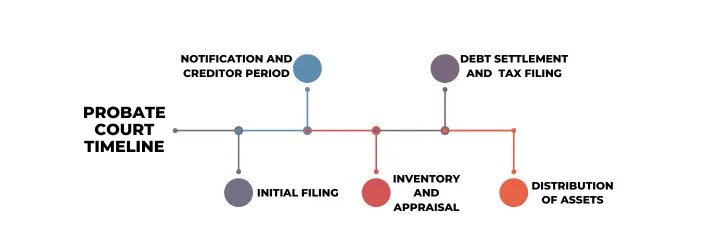
Probate | Required | Avoided if assets are in trust
Privacy | Public through probate | Private
Cost | Generally less costly | More expensive to create and maintain
Control During Life | Only post-death instructions | Allows asset management during life and after
Incapacity Planning | Not addressed (requires POA) | Manages assets if incapacitated
Creditor Protection | None | Irrevocable trusts can provide protection
When to Choose a Will
A will might be suitable if:
- You have a simpler estate.
- You need to name guardians for minor children.
- Privacy is not a primary concern.
- You are comfortable with probate.
Advantages of a Will:
- Cost-effective and straightforward to create.
- Easily modified with minimal legal requirements.
- Allows court oversight, adding a level of accountability.
Disadvantages of a Will:
- Must go through probate, which can be lengthy and costly.
- Becomes part of the public record.
- Offers no protection from creditors.
When to Choose a Trust
Consider a trust if:
- You have significant assets or multiple properties.
- Privacy is a priority.
- You want to plan for potential incapacity.
- You seek control over how beneficiaries receive assets.
Advantages of a Trust:
- Avoids probate, enabling faster, more private distribution of assets.
- Protects assets if you become incapacitated.
- Allows flexibility in controlling how and when beneficiaries inherit.
Disadvantages of a Trust:
- More complex and costly to set up and maintain.
- Requires funding (retitling of assets) to be effective.
- Trustees face fiduciary duties and potential liability.
Real-World Examples
- Choosing a Will: A young couple with minor children may choose a will to designate guardianship. Their estate may not justify the complexity and cost of a trust.
- Choosing a Trust: A high-net-worth individual with properties in multiple states may establish a trust to avoid separate probate processes and maintain privacy.
Top Legal Risks with Wills and Trusts
Wills:
- Probate Process: Lengthy, costly, and public, probate can expose heirs to unwanted attention.
- Contestability: Relatives may contest a will based on claims like undue influence or lack of capacity.
- Executor Mismanagement: Executors unfamiliar with legal duties may inadvertently mishandle assets.
Trusts:
- Breach of Fiduciary Duty: Trustees have a legal responsibility to act in beneficiaries’ best interests, risking liability if they fail.
- Failure to Fund: Assets not transferred into the trust remain subject to probate, undermining the purpose of the trust.
- Trustee Mismanagement: Trustees who fail in their duties, such as neglecting tax filings, can incur penalties and reduce trust value.
What Happens If You Die Without a Will or Trust?
In Florida, dying intestate (without a will or trust) means your estate is distributed under Florida’s intestacy laws, following a hierarchy:
- Surviving Parents: If no descendants, assets pass to surviving parents.
- Siblings and Their Descendants: If parents are deceased, assets pass to siblings or their descendants.
- Grandparents and Their Descendants: If no siblings, assets go to grandparents or their descendants.
- Escheat to the State: If no heirs are found, assets transfer to the state.
This process underlines the importance of having a will or trust to ensure your estate is handled according to your wishes.
Summary
Deciding between a will, a trust, or both is highly personal, influenced by factors like the complexity of your assets, privacy concerns, and plans for incapacity. Wills are generally simpler and sufficient for straightforward estates, while trusts offer enhanced privacy and control, especially for complex estates.
How Katz & Associates Can Help
At Katz & Associates, we’re here to make the estate planning process as smooth and tailored as possible. Our team specializes in helping you determine the best options to meet your needs, whether through a will, a trust, or a combination of both. Let us assist you in safeguarding your assets and ensuring your legacy. Contact us today to start planning your future.
Powered and Designed by Boost (boostvse.com)